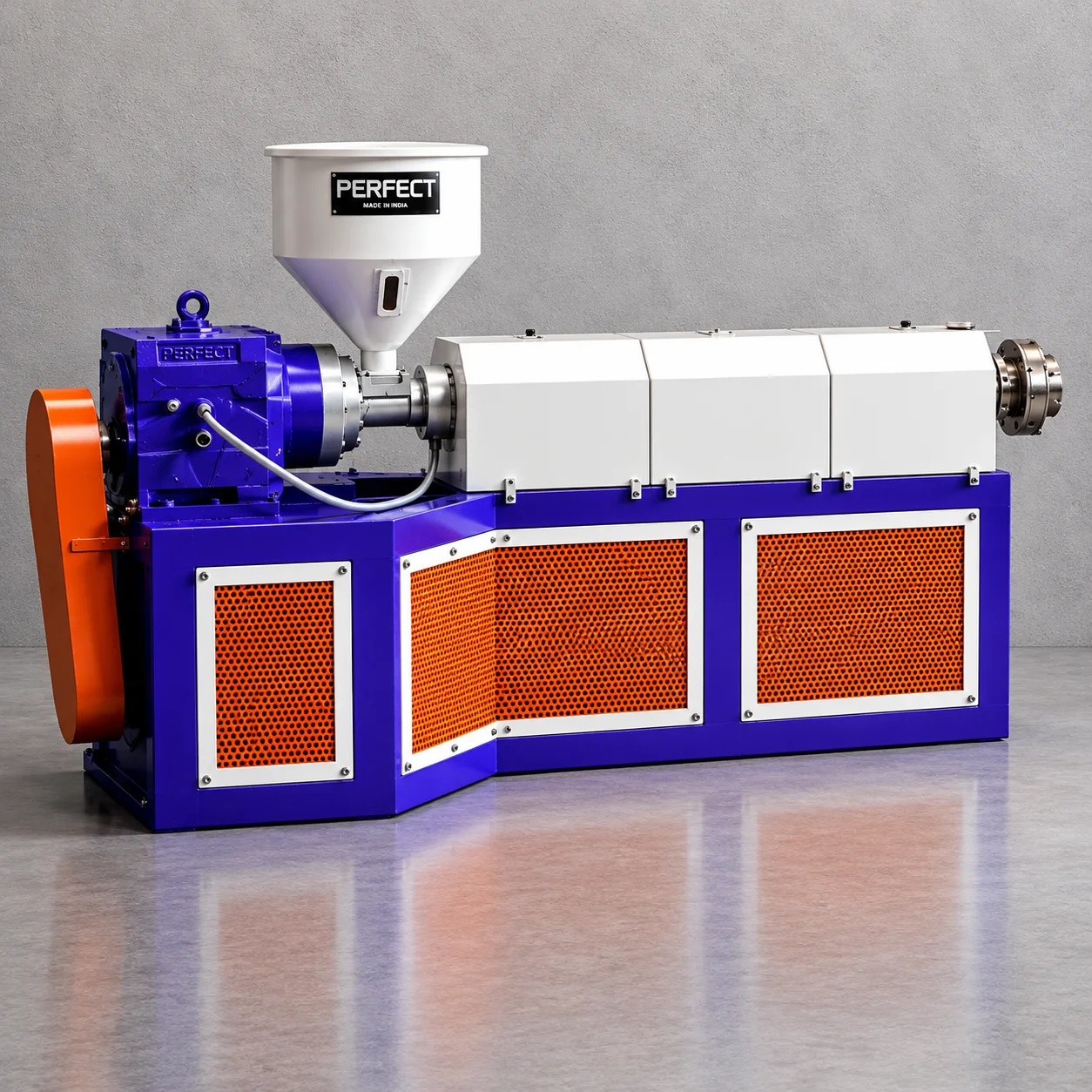

Plastic Powder making machine
The transformation of plastic materials into fine powders is a critical step in numerous industrial processes. Plastic powder making machines are the specialized equipment that enables this transformation, unlocking new possibilities for material utilization, recycling, and product innovation. Whether you're looking to create feedstock for rotational moulding, produce high-quality masterbatches, or enhance your plastic recycling operations, understanding these machines is key to optimizing your production workflow.
Understanding Plastic Powder Making Machines
Plastic powder making machines, often referred to as pulverizer machines, are engineered to efficiently break down larger plastic materials, such as granules or pellets, into a fine, uniform powder. This process is fundamental for applications where a finely divided plastic state is required for subsequent processing.
The output powder is not merely ground material; it's a carefully processed feedstock. The particle size, consistency, and quality of the powder are crucial for the performance of downstream processes like rotational moulding, where uniform melting and flow are essential for creating defect-free products. Similarly, in masterbatch production, the powder form allows for homogeneous dispersion of colorants and additives.
These machines work by employing high-speed mechanical action to fracture the plastic. Common mechanisms involve rotating discs that grind the plastic between them or impact-based systems that use blades to shatter the material. The resulting powder is then sieved or screened to ensure it meets specific size requirements.
Beyond pulverizers, the broader category of plastic powder processing also involves blending. Plastic powder blending machines, such as ribbon blenders and high-speed mixers, are used to uniformly combine plastic powders with various additives, colorants, or other resins. This ensures consistent material properties throughout the batch, which is vital for product quality and repeatability.
Key Applications and Use Cases
The versatility of plastic powder makes these machines indispensable across several industries. Here are some of the primary applications:
Rotational Moulding
This is perhaps the most significant application. Plastic powder is loaded into a mould, which is then heated and rotated biaxially. The powder melts and coats the inside of the mould, creating seamless, hollow objects like tanks, containers, toys, and furniture.
Masterbatch Production
Plastic powder serves as an excellent base for producing masterbatches. Pigments and additives are evenly dispersed into the powder, creating concentrated pellets or granules that are later added to virgin plastic during manufacturing to impart color or specific properties.
Plastic Recycling
Pulverizer machines are crucial for recycling various plastic waste streams. By converting scrap plastic into powder, it can be reprocessed, blended with virgin materials, or used in applications like engineered plastics or construction materials.
Specialty Compounds & Coatings
Fine plastic powders are used in specialized applications such as powder coatings for metal surfaces, creating anti-corrosion layers, or for manufacturing composite materials with unique performance characteristics.
Practical Benefits of Using Quality Powder Making Machines
Investing in reliable plastic powder making machinery offers significant advantages:
- Enhanced Material Utilization: Efficiently process plastic waste or off-cuts into usable powder, reducing material loss and improving cost-effectiveness.
- Improved Product Quality: Achieve consistent particle sizes and homogeneity, leading to superior finished products in rotational moulding and other processes.
- Versatile Processing: Adaptability to various plastic types like PE, PP, PVC, and LLDPE, allowing for diverse manufacturing needs.
- Streamlined Production: Integrate powder production directly into your manufacturing line, reducing lead times and logistical complexities.
- Environmental Responsibility: Facilitate effective plastic recycling, contributing to sustainability goals and circular economy initiatives.
Selecting the Right Plastic Powder Making Machine
Choosing the appropriate plastic powder making machine involves considering several factors to ensure it meets your specific operational requirements and budget. Careful evaluation will prevent costly mistakes and ensure optimal performance.
Key Selection Criteria:
- Type of Plastic and Feedstock: Different machines are optimized for specific polymers (e.g., PE, PP, PVC). Consider the form of your input material (granules, lumps, films) and its hardness.
- Desired Output Powder Fineness: The application dictates the required particle size. Look for machines with adjustable mesh screens or grinding elements to control powder consistency.
- Production Capacity: Evaluate your required throughput (kg/hr). Machines vary significantly in capacity, from smaller units to high-volume industrial systems.
- Motor Power and Energy Efficiency: Higher power motors are needed for tougher materials or finer grinding, but energy consumption is a critical long-term cost factor.
- Construction and Durability: Opt for machines built with robust materials for longevity and vibration-free operation, especially under continuous use.
- Dust Control and Safety Features: Modern machines should incorporate dust collection systems for a cleaner working environment and operator safety. Safety interlocks are also important.
- Ease of Maintenance: Consider how easily components like grinding discs or blades can be accessed and replaced.
Buyer Insight: Always inquire about the machine's ability to handle variations in feedstock quality. Consistent performance even with slightly irregular input materials is a hallmark of a reliable pulverizer.
Quality Checks Before Purchase
Before finalizing your decision, ensure thorough quality checks are performed. This may include requesting sample powder from your specific material, reviewing machine build quality, and understanding the manufacturer's support and spare parts availability. Ensuring the machine is designed for low maintenance and offers reliable operation will be crucial for long-term productivity.
Questions to Ask Your Supplier:
- What is the typical maintenance schedule for this machine?
- Can you provide a demonstration or sample output with my material?
- What are the recommended spare parts for a standard operational period?
- How is the dust collection system integrated and maintained?
- What training is provided for operation and routine maintenance?
Expertise in Rotational Moulding and Ancillary Equipment
For businesses involved in rotational moulding and seeking to optimize their material processing, partnering with experienced manufacturers is paramount. Companies with a deep understanding of the entire rotomoulding process, from material preparation to finished product, can provide invaluable solutions.
Perfect Rotomould India leverages over 30 years of engineering experience in rotomoulding technology. They offer a comprehensive range of solutions that extend to the crucial upstream processes of material preparation. This includes machinery for processing plastics, such as robust pulverizer machines designed to convert plastic granules into fine powders suitable for high-quality rotational moulding. Their expertise also encompasses mixer machines, essential for achieving uniform blends of resins and additives, ensuring consistent material properties vital for flawless product output.
By providing customized rotomoulding machines, custom moulds, and essential ancillary equipment like pulverizers and mixers, Perfect Rotomould India addresses the complete needs of the plastic processing industry. Their commitment to continuous research and development ensures that their offerings remain at the forefront of technology, enabling clients to achieve greater efficiency, superior product quality, and enhanced operational capabilities.
Frequently Asked Questions
What is the primary function of a plastic powder making machine?
A plastic powder making machine, or pulverizer, breaks down plastic granules or pellets into a fine powder. This powder is essential for applications like rotational moulding, masterbatch production, and plastic recycling.
What types of plastics can be processed?
Commonly processed plastics include Polyethylene (PE), Polypropylene (PP), Polyvinyl Chloride (PVC), and Linear Low-Density Polyethylene (LLDPE). The specific capabilities depend on the machine model and design.
How is the fineness of the plastic powder controlled?
The fineness is typically controlled by the machine's internal grinding mechanism and, crucially, by using interchangeable mesh screens or sieves that allow only particles of a desired size to pass through.
What is the difference between a pulverizer and a blender machine?
A pulverizer machine grinds plastic into powder. A plastic powder blending machine, like a ribbon blender or high-speed mixer, is used to uniformly mix the produced powder with additives, colors, or other materials.
Why is plastic powder important for rotational moulding?
Plastic powder melts and coats the inside of a heated, rotating mould uniformly. This allows for the creation of complex, hollow, seamless plastic products with consistent wall thickness and high-quality finishes.
Optimize Your Plastic Processing with Expert Solutions
Ready to enhance your production capabilities with efficient plastic powder making and blending solutions? Explore how specialized machinery can elevate your product quality and operational efficiency. Discover solutions tailored to your unique manufacturing needs.
Request Your Custom Solution Today