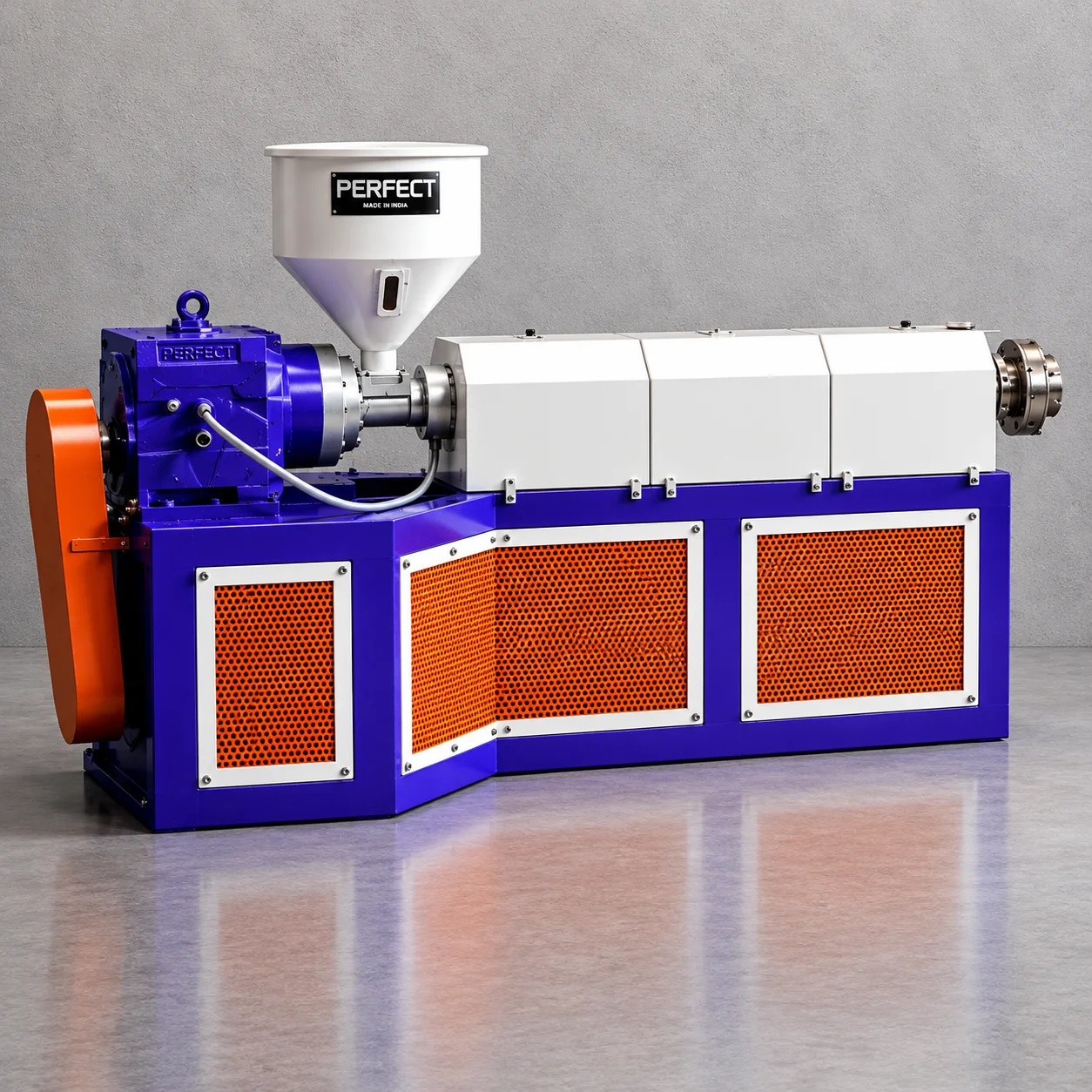

Plastic Powder making machine
Plastic powder making machines are integral to modern plastic processing, enabling the conversion of larger plastic items into fine powders. These machines are crucial for recycling efforts, material reprocessing, and creating base materials for various manufacturing techniques, most notably rotomoulding. Understanding the functionality, applications, and selection criteria for these machines is key for businesses looking to optimize their plastic processing operations.
Understanding Plastic Powder Making Machines
A plastic powder making machine, often referred to as a pulverizer or grinder, is industrial equipment designed to reduce the size of plastic materials into a fine powder or granule. This process involves mechanically breaking down plastic waste or raw materials using high-speed rotating blades or grinding elements. The resulting powder can then be used in several applications, including:
- Rotomoulding: The fine plastic powder is a primary raw material for creating hollow plastic products like tanks, containers, and toys.
- Compounding: The powder can be mixed with other additives or polymers to create specialized plastic compounds.
- Masterbatch production: Used as a carrier for pigments and additives.
- Recycling: Ground plastic powder can be re-integrated into the manufacturing cycle, promoting sustainability and reducing waste.
These machines are engineered for efficiency and durability, capable of processing a wide range of thermoplastic materials. The fineness of the powder is typically controlled by the type of machine, the speed of operation, and the mesh size of the screens used.
Diverse Applications and Use Cases
The versatility of plastic powder making machines makes them valuable assets across numerous industries. Their primary role is transforming larger plastic items into a usable powder form:
| Application Area | Specific Use Case | Key Benefit |
|---|---|---|
| Rotomoulding Industry | Producing raw material for large hollow products (tanks, bins, kayaks, playground equipment) | Enables efficient production of seamless, uniform hollow parts. |
| Plastic Recycling | Reprocessing post-consumer and industrial plastic waste | Facilitates circular economy by turning waste into valuable raw material. |
| Masterbatch & Compound Manufacturing | Creating base powder for color concentrates and specialized plastic blends | Ensures uniform dispersion of pigments and additives. |
| Textile & Fiber Industry | Producing fine powders for certain synthetic fiber production processes | Provides a consistent feedstock for extrusion and spinning. |
| Construction Materials | Incorporating plastic powder into concrete or asphalt for enhanced properties | Potential for improved insulation or durability. |
Key Advantages of Using Plastic Powder Making Machines
Investing in a quality plastic powder making machine offers significant advantages for businesses involved in plastic processing and manufacturing:
- Material Versatility: Capable of processing various thermoplastic materials like HDPE, LDPE, PP, PVC, and more.
- Cost Efficiency: Reduces reliance on virgin raw materials by enabling the effective recycling and reuse of plastic waste.
- Enhanced Product Quality: Produces a consistent, uniform powder that is crucial for high-quality rotomoulded products and compounds.
- Process Optimization: Streamlines the plastic processing workflow by providing a ready-to-use feedstock for subsequent manufacturing steps.
- Environmental Responsibility: Directly supports sustainability goals by diverting plastic waste from landfills and promoting a circular economy.
- Customization Potential: Allows manufacturers to create custom plastic compounds and masterbatches tailored to specific product requirements.
Choosing the Right Plastic Powder Making Machine: A Buyer's Guide
Selecting the appropriate plastic powder making machine involves careful consideration of several factors to ensure it meets your operational needs and budget. Here’s a breakdown of essential criteria:
Material Compatibility
Identify the types of plastics you intend to process. Different machines are optimized for specific polymers. Ensure the pulverizer can handle your primary materials (e.g., HDPE, PVC, PP) without compromising performance or machine longevity.
Required Powder Fineness
Determine the particle size distribution needed for your applications. Rotomoulding typically requires a specific mesh size. Pulverizers vary in their ability to produce ultra-fine powders versus coarser granules. Look for machines offering adjustable settings or interchangeable screens.
Production Capacity
Assess your daily or hourly throughput requirements. Machines come with different processing capacities. Choose a unit that can meet your current demand with some room for future growth to avoid bottlenecks.
Durability and Construction
Opt for machines built with robust materials and high-quality components. Consider the wear parts, motor power, and overall build quality. A well-constructed machine ensures reliability and reduces downtime.
Energy Efficiency
Evaluate the power consumption of the machine. Modern pulverizers are designed to be energy-efficient, which can significantly reduce operational costs over time.
Safety Features
Ensure the machine is equipped with essential safety mechanisms, such as emergency stops, protective guards, and dust containment systems, to ensure operator safety.
Ancillary Equipment Needs
Consider if you need integrated solutions, such as dust collectors, feeding systems, or screening units. Some manufacturers offer complete processing lines.
Reliable Solutions for Plastic Powder Processing
For businesses seeking robust and efficient plastic powder making capabilities, especially for rotomoulding applications, specialized equipment providers offer tailored solutions. Companies with extensive engineering expertise in rotomoulding technology, such as Perfect Rotomould India, understand the critical role of high-quality plastic powder. They provide not only rotomoulding machines but also ancillary equipment essential for preparing raw materials, including pulverizer machines and mixer machines.
These manufacturers leverage decades of experience to deliver reliable, energy-saving, and efficient equipment. Whether you require standard pulverizer machines or customized solutions to meet specific material processing needs, seeking a partner with a deep understanding of the entire plastic processing chain, from powder production to finished product, is paramount. This includes the capability to provide machines that ensure consistent powder quality, which directly impacts the final product's integrity and appearance in rotomoulding and other applications.
Buyer Insight:
When procuring a plastic powder making machine, inquire about the machine’s maintenance requirements and the availability of spare parts. Understanding these aspects upfront can prevent prolonged downtime and ensure the longevity of your investment.
Frequently Asked Questions
What is the primary use of a plastic powder making machine?
The primary use of a plastic powder making machine is to reduce plastic materials into fine powder. This powder is essential for processes like rotomoulding, plastic recycling, and the manufacturing of masterbatches and compounds.
Can these machines process all types of plastics?
These machines are generally designed to process various thermoplastic materials. However, compatibility can vary depending on the specific machine model and the type of plastic (e.g., HDPE, PVC, PP, LDPE). It is crucial to confirm material compatibility with the manufacturer.
How do I determine the correct powder fineness for my needs?
The required powder fineness depends on the intended application. For rotomoulding, a specific mesh size is usually required to ensure uniform wall thickness and product quality. Consult your process requirements or the equipment supplier for guidance.
What is the difference between a grinder and a pulverizer machine?
While often used interchangeably, a grinder typically produces coarser particles, whereas a pulverizer is designed to achieve finer powders. The distinction often lies in the machinery's design, speed, and the resulting particle size consistency.
What ancillary equipment is often needed with a plastic powder making machine?
Commonly needed ancillary equipment includes dust collectors for safety and material recovery, feeding systems for consistent material input, and screening systems to ensure the desired particle size distribution.
Ready to Enhance Your Plastic Processing?
Explore reliable and efficient plastic powder making machines and related ancillary equipment. Partner with experts who understand your unique manufacturing challenges and deliver solutions designed for performance and sustainability.
Discover Rotomoulding Solutions