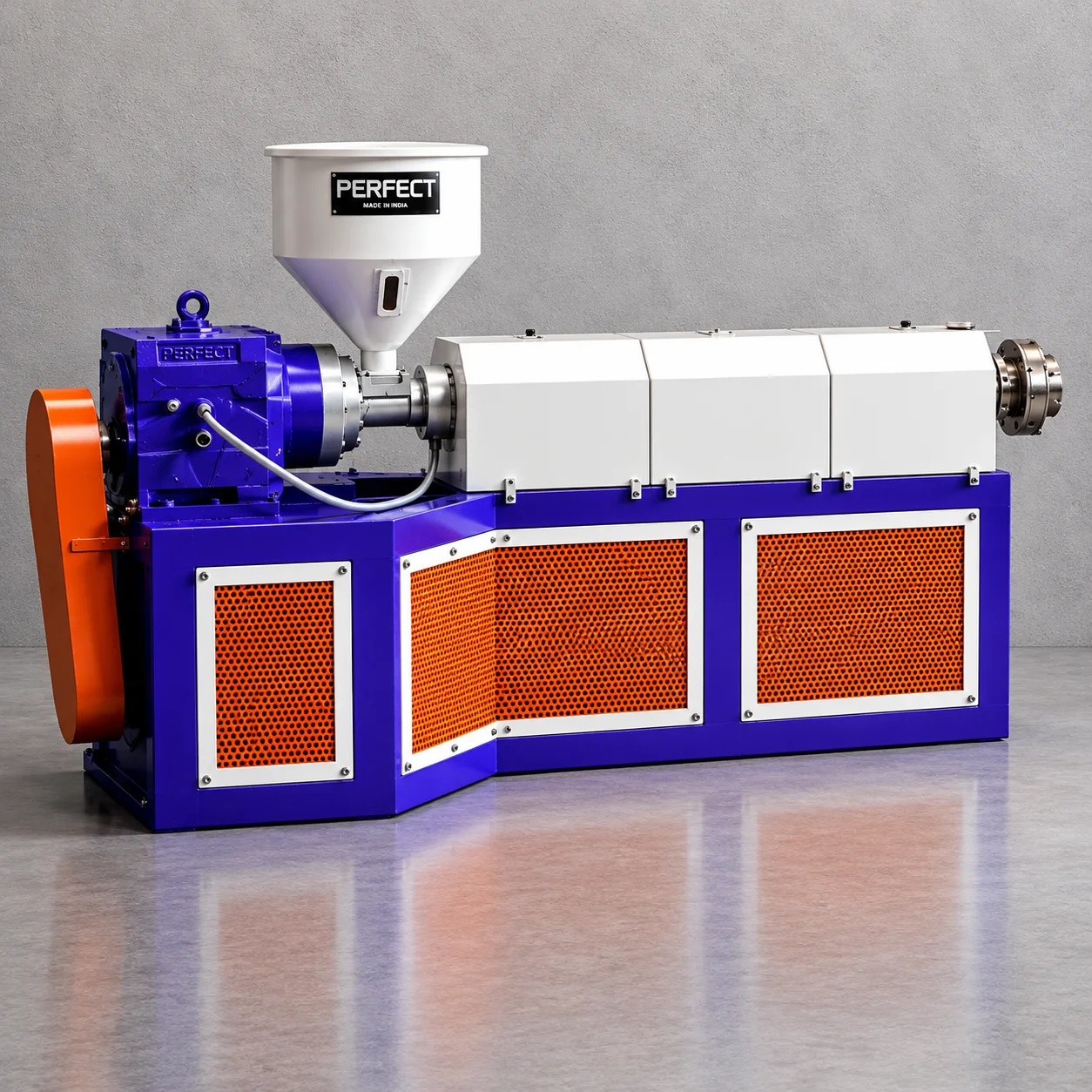

Biaxial machine
Expert biaxial machine solutions from Rotomouldindia in Ahmedabad. Enhance your production with reliable, high-performance rotomoulding equipment.
What is a Biaxial Machine — Overview
A biaxial rotomoulding machine is a sophisticated piece of industrial equipment designed for the rotational moulding process, also known as rotomoulding. This process involves heating a mould containing plastic powder or granules, while the mould rotates on two perpendicular axes. This simultaneous rotation ensures that the molten plastic evenly coats the interior surface of the mould, creating a seamless, hollow, and stress-free product. Biaxial machines are characterized by their two-axis rotation mechanism, which is essential for achieving uniform wall thickness and intricate shapes in the final product.
Key Features and Technical Specifications
- Multi-Arm Configuration: Available in three or four-arm configurations to maximize production output and efficiency.
- Direct Gas Firing System: Utilizes an efficient direct gas-fired heating system for precise temperature control and even heat distribution.
- Independent Arm Control: Each arm can operate independently, allowing for different mould sizes and cycle times on the same machine.
- Robust Construction: Built with heavy-duty steel for durability and long operational life in demanding industrial environments.
- Advanced Control Panel: Features an intuitive PLC-based control panel for easy operation, parameter setting, and process monitoring.
- Energy-Efficient Design: Incorporates features to optimize energy consumption, reducing operational costs.
- High-Quality Bearings and Gearboxes: Ensures smooth, reliable rotation and extended machine lifespan.
Industrial Applications and Use Cases
- Water and Chemical Storage Tanks: Manufacturing of large-capacity tanks for domestic, industrial, and agricultural water storage, as well as for storing various chemicals.
- Automotive Components: Production of interior and exterior plastic parts, such as dashboards, bumpers, and fuel tanks.
- Agricultural Equipment: Creation of components for tractors, planters, and other farming machinery, as well as silos and feed troughs.
- Playground Equipment: Manufacturing of slides, swings, tunnels, and other safety-conscious playground structures.
- Material Handling and Logistics: Production of crates, bins, pallets, and intermediate bulk containers (IBCs).
- Marine Applications: Fabrication of kayaks, canoes, buoys, and boat hulls.
- Sanitation and Waste Management: Creation of dustbins, septic tanks, and portable toilets.
How to Choose the Right Biaxial Machine
Selecting the appropriate biaxial machine is a critical decision that impacts your production capacity and product quality. Consider the following factors:
- Product Size and Volume: Determine the maximum and typical dimensions of the products you intend to manufacture and the required daily/monthly output.
- Material Requirements: Understand the types of polymers you will be using (e.g., polyethylene, polypropylene) and their processing temperatures.
- Arm Configuration: Choose between a three-arm or four-arm machine based on your production volume needs and the variety of products you plan to run.
- Heating System: Evaluate the efficiency and control capabilities of the heating system (e.g., direct gas, indirect).
- Automation and Control: Assess the user-friendliness and advanced features of the machine's control system (PLC vs. basic controls).
- Supplier's Experience and Support: Investigate the manufacturer's track record, technical expertise, and the availability of after-sales service and spare parts.
- Customization Options: Verify if the manufacturer can offer modifications to suit specific production requirements or factory layouts.
Quality Standards and Compliance
For any industrial machinery, adherence to quality standards and compliance with relevant regulations is non-negotiable. Manufacturers of biaxial machines should demonstrate a commitment to producing equipment that meets stringent industry benchmarks. This often includes certifications like ISO 9001 for quality management systems, ensuring consistent production processes and product quality. Buyers should inquire about the materials used in construction, the electrical safety compliance (e.g., CE marking for European markets, though specific Indian standards like BIS might also be relevant depending on the component), and the machine's adherence to safety protocols during operation. Verifying that the machine is built to withstand continuous industrial use and meets local safety regulations is paramount for long-term operational success and worker safety.
Why Rotomouldindia's Experience and Capability Matters
With over 30 years of dedicated experience in the rotational moulding industry, Rotomouldindia has cultivated deep expertise in designing, manufacturing, and supporting biaxial rotomoulding machines. Our engineering team possesses a profound understanding of the intricacies of the rotomoulding process, enabling us to develop machines that are not only robust and reliable but also highly efficient and energy-conscious. We pride ourselves on our capability to provide customized solutions, working closely with clients to tailor machinery and moulds to their precise specifications and production goals. Our manufacturing process adheres to strict quality control measures, ensuring that every machine leaving our facility is built for durability and optimal performance. This extensive experience translates into superior product quality, consistent operational performance, and dependable after-sales support, making Rotomouldindia a trusted partner for your manufacturing needs.
Installation, Maintenance, and Care Tips
Proper installation and regular maintenance are key to maximizing the lifespan and performance of your biaxial rotomoulding machine.
- Installation: Ensure the machine is installed on a level, stable foundation. Proper ventilation for the heating system and adequate space for mould handling are essential. Connect all utilities (gas, electricity, compressed air) according to the manufacturer's specifications.
- Routine Checks: Regularly inspect all moving parts, including bearings, gears, and drive systems, for wear and lubrication. Check heating elements and gas burners for optimal performance and cleanliness.
- Cleaning: Keep the machine, especially the mould cavity and heating chamber, clean from plastic residues and dust. This prevents contamination and ensures even heating.
- Lubrication: Follow the recommended lubrication schedule for all bearings, chains, and gearboxes to prevent premature wear.
- Calibration: Periodically check and calibrate temperature sensors and control systems to ensure accurate process parameters.
- Safety First: Always follow safety procedures when operating or maintaining the machine. Ensure emergency stops are functional and safety guards are in place.
Frequently Asked Questions
A1: The primary advantage of a biaxial machine is its ability to produce large, hollow, seamless, and stress-free plastic products with uniform wall thickness. This is achieved through the simultaneous rotation on two axes, which ensures even distribution of molten plastic within the mould.
A2: Yes, biaxial rotomoulding machines are versatile and can process various thermoplastic resins, including polyethylene (HDPE, LLDPE), polypropylene, nylon, and others, provided they are suitable for the rotomoulding process.
A3: A machine with more arms (e.g., four arms versus three) can significantly increase production output. While one arm is in the heating chamber, others can be in the cooling or unloading/loading stations, allowing for parallel processing and shorter overall cycle times per unit.
A4: Routine maintenance includes regular cleaning of the heating chamber and burners, lubrication of moving parts like bearings and gearboxes, inspection of heating elements, and checking the functionality of the control system and safety features.
A5: Absolutely. Experienced manufacturers like Rotomouldindia offer customization services. This can include modifications to arm length, heating system configurations, control panel features, and overall machine dimensions to meet unique client requirements.
A6: With proper installation, regular maintenance, and careful operation, a high-quality biaxial rotomoulding machine can have a lifespan of 15 to 20 years or even longer, continuing to provide reliable production.
Conclusion
For manufacturers in Ahmedabad and the wider Gujarat region seeking to produce high-quality, large-volume hollow plastic products, investing in a reliable biaxial machine is a strategic decision. The efficiency, product consistency, and versatility offered by these machines are invaluable for sectors ranging from agriculture to water management and beyond. When selecting a supplier, prioritize experience, technical capability, and a commitment to quality and after-sales support. A well-chosen biaxial machine, coupled with expert guidance and ongoing support, will be a cornerstone of your manufacturing success, enabling you to meet market demands effectively and efficiently.
Get In Touch
Rotomouldindia