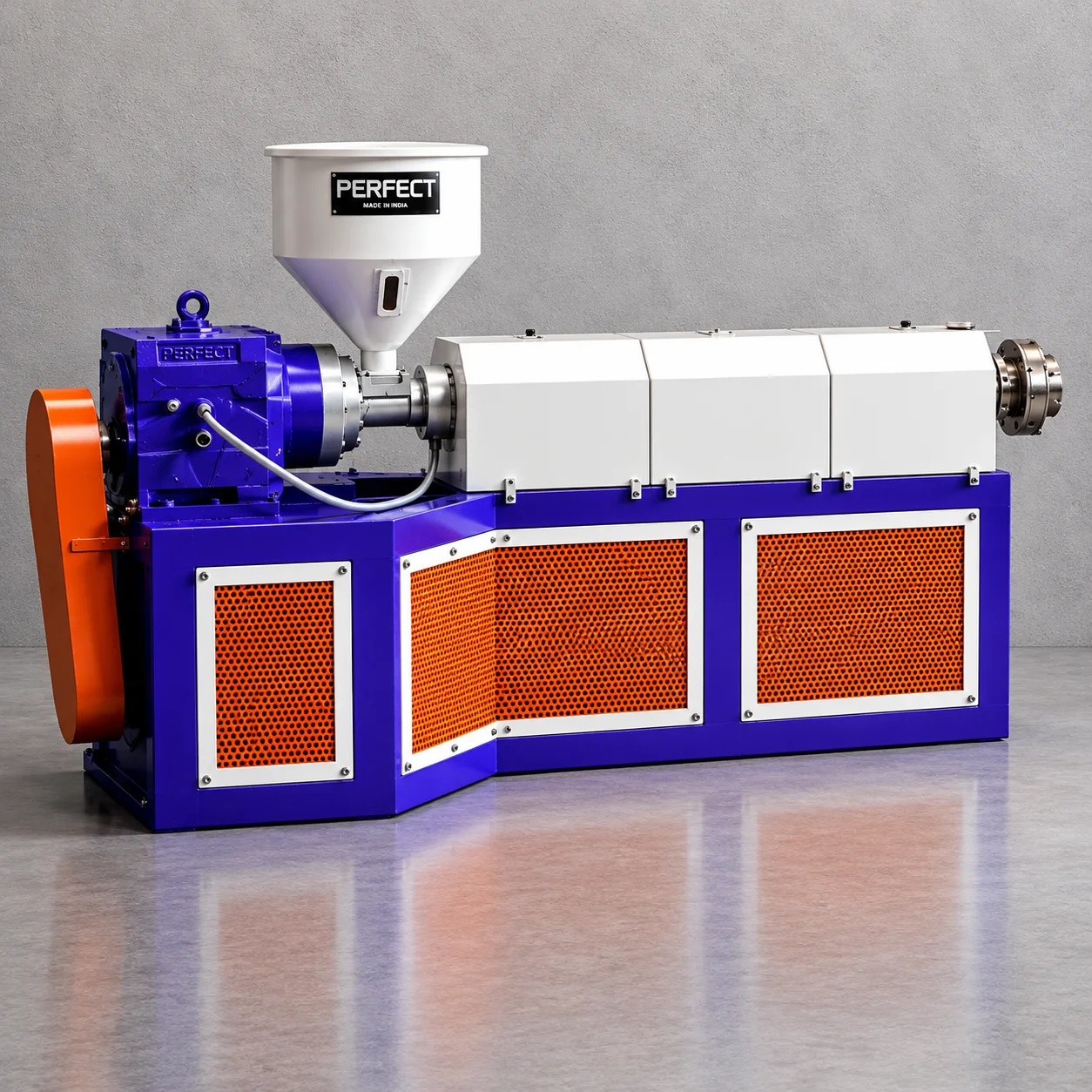

Open flame water tank machine
Expertly crafted open flame water tank machines in Ahmedabad. Discover reliable solutions for efficient water tank production with Rotomouldindia's 30+ years of
What is an Open Flame Water Tank Machine? – Overview
An open flame water tank machine, often a type of Rock N Roll rotomoulding machine, is designed to produce hollow plastic products, most commonly water tanks, through the rotational moulding process. Unlike other rotomoulding methods that use a heated oven, this machine utilizes a direct open flame to heat the mould. The mould, containing the plastic powder, is heated and rotated on two axes simultaneously. This ensures even distribution of the molten plastic onto the inner surface of the mould, creating a seamless, strong, and uniform wall thickness for the final product.
Key Features and Technical Specifications
When evaluating an open flame water tank machine, several technical aspects are crucial for ensuring optimal performance and product quality:
- Arm Configuration: Typically features a two-arm (bi-axial) or multi-arm configuration for simultaneous mould operation.
- Heating System: Utilizes a direct open flame burner system for efficient mould heating.
- Rotation Mechanism: Independent control of rotation speeds on the X and Y axes for precise mould movement.
- Arm Swing: Capable of a wide swing angle to ensure complete mould coverage by the flame.
- Machine Construction: Robust steel frame and carriage designed for heavy-duty industrial use.
- Control System: PLC-based control panel for programmable heating cycles, rotation speeds, and cooling phases.
- Fuel Type: Operates on LPG or natural gas, depending on availability and preference.
- Safety Features: Integrated safety interlocks, flame monitoring, and emergency stop functions.
Industrial Applications and Use Cases
The versatility of open flame rotomoulding machines extends beyond just water tanks, finding applications across various industries:
- Water Storage Tanks: Manufacturing of domestic, agricultural, and industrial water tanks.
- Chemical Storage Tanks: Production of tanks for safely storing various chemicals.
- Septic Tanks: Creating durable and leak-proof septic tanks for waste management.
- Material Handling Containers: Producing large bins, crates, and containers for industrial use.
- Agricultural Equipment: Manufacturing components like spray tanks, feeders, and float tanks.
- Playground Equipment: Producing durable and safe hollow plastic components.
- Marine Applications: Creating buoys, pontoons, and other floating structures.
- Specialty Containers: Custom-designed containers for specific industrial or commercial needs.
How to Choose the Right Open Flame Water Tank Machine
Selecting the appropriate machine is a critical decision that impacts your production capacity and product quality. Consider these factors:
- Production Volume: Determine the number of tanks you need to produce daily or monthly to select a machine with adequate capacity and arm configuration.
- Tank Size and Shape: Ensure the machine's arm swing, mould platen size, and overall dimensions can accommodate the moulds for your target tank sizes.
- Material Compatibility: Confirm the machine is suitable for the specific polymer (e.g., LLDPE) you intend to use.
- Fuel Efficiency: Evaluate the burner system's efficiency and fuel consumption to manage operational costs.
- Automation and Control: Decide on the level of automation required, from basic manual controls to advanced PLC systems for precise process management.
- Supplier Reputation and Support: Research the manufacturer's track record, warranty, and availability of after-sales service and spare parts.
- Safety Standards: Verify that the machine complies with relevant industrial safety regulations and certifications.
- Customization Options: Assess if the manufacturer can offer modifications to suit unique production requirements.
Quality Standards and Compliance
For any industrial machinery, adherence to quality standards and compliance with regulations is non-negotiable. Manufacturers of open flame water tank machines should demonstrate a commitment to robust engineering and safety. Look for machines built to meet or exceed relevant industry standards, such as those related to electrical safety (IEC standards) and general machinery safety. While specific rotomoulding machine certifications might vary, a reputable manufacturer will often adhere to ISO 9001 quality management systems. Verifying the build quality, material specifications, and the presence of safety interlocks is essential for ensuring long-term reliability and operational safety.
Why Rotomouldindia's Experience and Capability Matters
With over 30 years of dedicated experience in the rotomoulding industry, Rotomouldindia brings a depth of knowledge and practical expertise to the manufacturing of open flame water tank machines. Our engineering team possesses a profound understanding of the rotational moulding process, allowing us to design machines that are not only efficient but also highly reliable and durable. We focus on robust construction, utilizing high-quality materials and components to ensure our machines can withstand the demands of continuous industrial operation.
Our commitment extends to providing customized solutions, working closely with clients to tailor machines to their specific production needs, including mould dimensions and operational parameters. This bespoke approach, combined with our rigorous quality control processes and a comprehensive understanding of our clients' production challenges, ensures that Rotomouldindia delivers machinery that enhances productivity and product quality. Our long-standing presence in the market is a testament to our capability in delivering consistent performance and dependable after-sales support.
Installation, Maintenance, and Care Tips
Proper installation, regular maintenance, and careful operation are key to maximizing the lifespan and performance of your open flame water tank machine.
- Installation: Ensure the machine is installed on a level, stable surface. Connect the fuel supply (LPG/natural gas) and electrical connections according to the manufacturer's specifications and local safety codes. Proper ventilation is crucial due to the open flame.
- Pre-Operation Checks: Before each use, inspect the burner, fuel lines, and gas regulators for any leaks or damage. Check the rotation arms, bearings, and drive systems for smooth operation.
Routine Maintenance:
- Burner Cleaning: Regularly clean the burner nozzle to prevent clogging and ensure an even flame.
- Lubrication: Lubricate all moving parts, including arm bearings and rotation shafts, as per the recommended schedule.
- Filter Checks: Clean or replace air and fuel filters as needed.
- Electrical Checks: Periodically inspect electrical connections and control panel components for wear or damage.
Operational Best Practices:
- Mould Handling: Handle moulds with care to avoid damage. Ensure they are securely clamped before starting the cycle.
- Temperature Control: Monitor mould temperatures closely to prevent overheating or under-curing, which affects product quality.
- Cooling Phase: Allow adequate cooling time to ensure the part solidifies properly before demoulding.
- Troubleshooting: Familiarize yourself with common issues and their solutions outlined in the machine's manual. Promptly address any unusual noises or performance deviations.
Frequently Asked Questions
Linear Low-Density Polyethylene (LLDPE) is the most commonly used polymer due to its excellent stress-crack resistance, impact strength, and flexibility, making it ideal for water tanks. Other polyolefins can also be processed.
Open flame heating is direct and can be more energy-efficient for certain applications, offering faster heating cycles. Oven heating provides a more uniform ambient temperature around the mould, which can be advantageous for complex parts or materials requiring very precise temperature control.
With proper installation, regular maintenance, and careful operation, an open flame water tank machine can have a lifespan of 15 to 20 years or even longer. The durability of the machine's construction and the quality of its components are key factors.
Yes, the colour of the plastic is determined by the colourant added to the plastic powder before it is loaded into the mould. Different batches of plastic powder can be used to produce tanks in various colours on the same machine.
Essential precautions include ensuring proper ventilation, regularly checking for gas leaks, using appropriate personal protective equipment (PPE), keeping flammable materials away from the machine, and training operators thoroughly on safe operating procedures and emergency protocols.
Uniform wall thickness is achieved through the simultaneous rotation of the mould on two axes. This ensures the molten plastic is evenly distributed across the entire inner surface of the mould as it heats and cools.
Conclusion
For manufacturers in Ahmedabad and across India seeking to produce high-quality plastic water tanks efficiently, an open flame water tank machine represents a significant investment in production capability. The choice of machine hinges on understanding production needs, technical specifications, and the reliability of the supplier. By prioritizing robust construction, precise control, and comprehensive support, businesses can select equipment that not only meets current demands but also supports future growth. Rotomouldindia’s extensive experience and commitment to engineering excellence provide a strong foundation for acquiring machinery that delivers consistent performance and lasting value in the competitive water tank manufacturing sector.
Get In Touch
Rotomouldindia