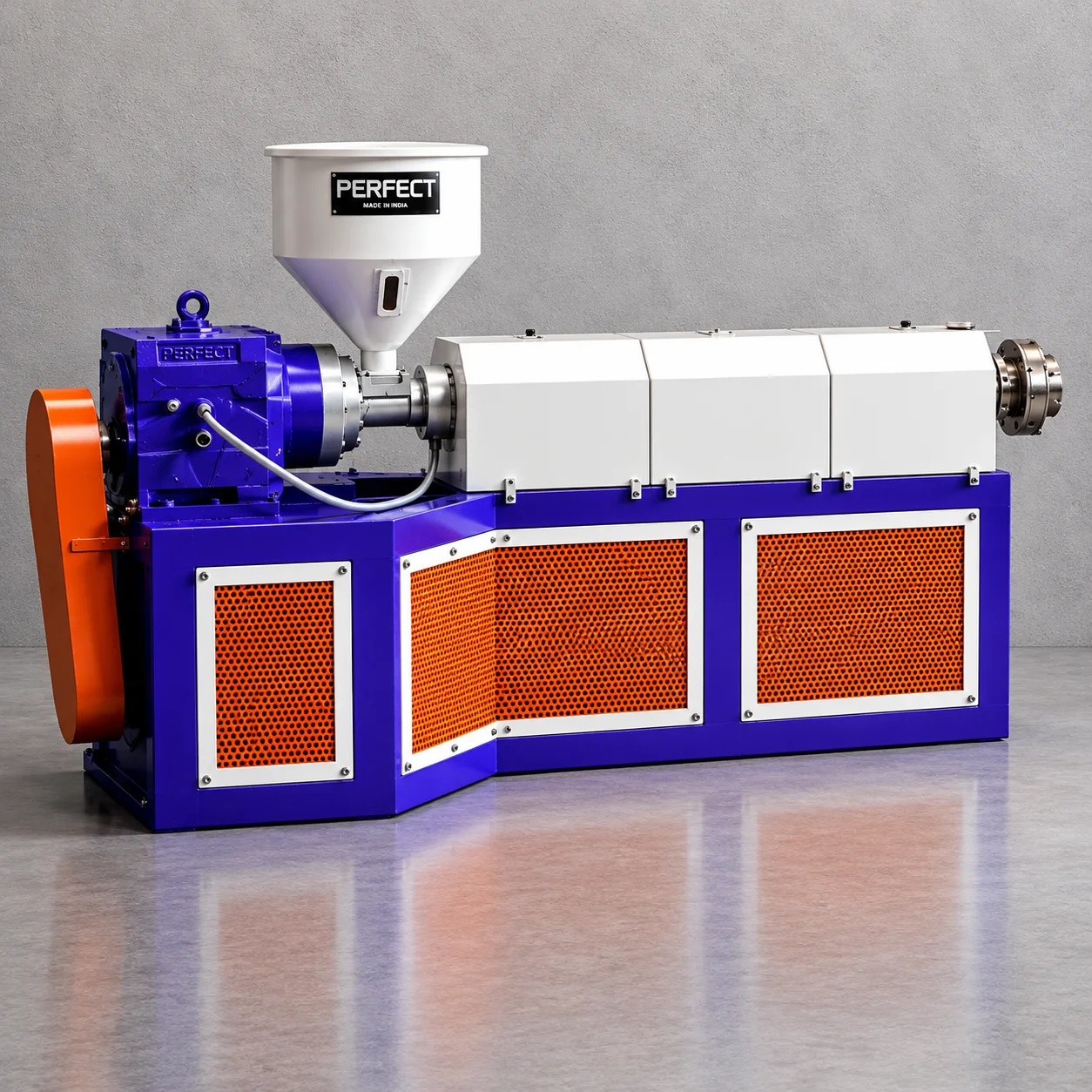

rock n roll rotomoulding machine
The Rock N Roll rotomoulding machine represents a sophisticated approach to rotational moulding, a versatile manufacturing process essential for creating hollow plastic items. This technology is pivotal for industries requiring durable, seamless, and custom-shaped plastic components. Understanding the intricacies of these machines, from their operational principles to their application scope, is key for businesses aiming for efficiency and product excellence in plastic manufacturing.
Understanding Rock N Roll Rotomoulding Machines
A Rock N Roll rotomoulding machine, often referred to as a bi-axial or tumble machine, operates on a unique principle that involves heating a mould containing plastic material while it rotates on two perpendicular axes. This simultaneous rotation, known as the "rocking" or "rock-and-roll" motion, ensures that the molten plastic evenly coats the inner surface of the mould. This process is particularly effective for producing large, complex, and hollow items like storage tanks, kayaks, playground equipment, and various industrial containers.
Unlike traditional multi-axial machines, Rock N Roll machines excel in producing relatively thin-walled products with consistent wall thickness. Their design allows for efficient use of energy and space, making them a popular choice for specific product lines. The process begins by placing powdered or liquid plastic into the pre-heated mould. As the mould heats up in a chamber, it rotates along the 'rocking' axis and also turns around a secondary, perpendicular axis. This ensures that gravity aids the even distribution of the plastic against the mould walls as it melts and cures.
Diverse Applications of Rock N Roll Rotomoulding
The versatility of Rock N Roll rotomoulding machines opens doors to a vast array of applications across numerous industries. Their ability to create seamless, stress-free, and uniformly thick products makes them ideal for applications where durability and integrity are paramount.
Water and Chemical Storage Tanks
Producing large, leak-proof tanks for water, chemicals, and agricultural liquids.
Recreational Products
Manufacturing items like kayaks, canoes, surfboards, and playground equipment.
Industrial Containers
Creating bins, crates, drums, and other containers for logistics and industrial use.
Automotive Components
Producing specific hollow parts for vehicles, such as dashboards or fuel tanks.
Lighting and Housing
Manufacturing shades, covers, and protective housings for lighting fixtures and equipment.
Key Benefits of Utilizing Rock N Roll Rotomoulding Machines
Investing in a Rock N Roll rotomoulding machine offers significant advantages for manufacturers looking to enhance their production capabilities and product quality. These benefits stem from the inherent efficiency and effectiveness of the rotational moulding process facilitated by these specialized machines.
- Uniform Wall Thickness: The bi-axial rotation ensures consistent plastic distribution, leading to products with uniform wall thickness and improved structural integrity.
- Seamless Products: Rotomoulding produces single-piece hollow products without seams, eliminating potential weak points and enhancing durability.
- Design Flexibility: Allows for the creation of complex shapes and designs, including undercuts and intricate details, providing a competitive edge in product development.
- Cost-Effectiveness for Low Volumes: Compared to other moulding processes, rotomoulding can be more economical for producing smaller batches or custom orders due to lower tooling costs.
- Energy Efficiency: Modern machines are designed with energy-saving features, optimizing heating and cooling cycles to reduce operational costs.
- Material Versatility: Capable of processing a wide range of thermoplastic materials, including polyethylene (PE), polypropylene (PP), and PVC.
Selecting the Right Rock N Roll Rotomoulding Machine
Choosing the appropriate Rock N Roll rotomoulding machine is a critical decision that impacts production efficiency, product quality, and overall profitability. Several factors should be carefully considered to ensure the selected machine aligns with your specific manufacturing needs and product requirements.
Buyer Insight: Beyond Machine Specs
While machine specifications are vital, consider the supplier's expertise in rotational moulding. A knowledgeable partner can provide invaluable guidance on mould design, process optimization, and material selection, ensuring you achieve the best possible results with your investment.
Key Selection Criteria:
- Product Size and Complexity: Determine the maximum dimensions and intricacy of the products you intend to manufacture. This will dictate the required mould cavity size and the machine's carrying capacity.
- Production Volume: Assess your anticipated production runs. While rotomoulding is cost-effective for lower volumes, some machines are better suited for higher throughput.
- Material Compatibility: Ensure the machine is designed to handle the specific plastic resins you plan to use. Different materials have varying processing temperatures and requirements.
- Energy Efficiency: Look for machines equipped with advanced heating systems and insulation to minimize energy consumption and operational costs.
- Automation and Control: Evaluate the level of automation and the sophistication of the control system. Modern machines offer precise control over temperature, rotation speed, and cycle times.
- Ancillary Equipment Needs: Consider if you will need supporting equipment such as mould pre-heaters, cooling tunnels, or material handling systems.
Quality Checks Before Purchase:
- Machine Construction: Inspect the build quality, particularly the robustness of the machine frame, mould clamping mechanism, and rotational assembly.
- Heating System Performance: Verify the efficiency and reliability of the heating system (e.g., gas-fired, electric).
- Control System Interface: Ensure the control panel is user-friendly and provides comprehensive monitoring and adjustment capabilities.
- Safety Features: Confirm that the machine adheres to necessary safety standards and includes essential safety mechanisms.
Questions to Ask Potential Suppliers:
- Can you provide examples of products manufactured using your machines that match our intended applications?
- What level of technical support and after-sales service do you offer?
- How do your machines compare in terms of energy efficiency and operational costs?
- What is the typical lead time for machine delivery and installation?
- Can you offer guidance on mould design and material selection for our specific needs?
Perfect Rotomould India: Your Partner in Rotational Moulding
With over 30 years of dedicated engineering expertise in rotational moulding technology, Perfect Rotomould India stands as a reliable source for high-performance rotomoulding solutions. The company specializes in the manufacturing of advanced rotomoulding machines, custom moulds, and essential ancillaries, tailored precisely to client specifications and drawings.
Perfect Rotomould India is committed to delivering durable, efficient, and energy-saving machinery. Their experienced team of engineers and technicians leverages continuous research and development to provide customized solutions that meet diverse industrial demands. Beyond providing robust machinery, they offer comprehensive support, including technical guidance and dependable after-sales service, ensuring clients achieve optimal production outcomes.
Whether you require specialized custom moulds or state-of-the-art rotomoulding machines, Perfect Rotomould India is equipped to provide solutions that enhance your manufacturing capabilities and product quality.
Frequently Asked Questions About Rock N Roll Rotomoulding Machines
What makes a Rock N Roll rotomoulding machine different from other types?
A Rock N Roll machine, also known as a bi-axial or tumble machine, rotates on two perpendicular axes. This is distinct from a traditional multi-axial (like a 3-arm machine) which rotates on three axes. The bi-axial motion is ideal for producing thinner-walled items and is often more energy-efficient for specific applications.
Can these machines produce products with metal inserts?
Yes, rotomoulding machines, including Rock N Roll types, can often accommodate the placement of metal inserts within the mould to be encapsulated by the plastic during the moulding process.
What types of plastic materials can be used?
Commonly used materials include polyethylene (PE), polypropylene (PP), nylon, and PVC. The specific material capabilities depend on the machine's design and heating system.
How is wall thickness controlled in Rock N Roll rotomoulding?
Wall thickness is primarily controlled by the amount of plastic material used, the mould temperature, and the rotational speeds. The bi-axial motion ensures that gravity distributes the molten plastic evenly across the mould cavity, resulting in uniform wall thickness.
Ready to Enhance Your Plastic Production?
Discover how a tailored Rock N Roll rotomoulding machine can transform your manufacturing capabilities. Contact Perfect Rotomould India today to discuss your project requirements and receive expert guidance.
Request a Consultation