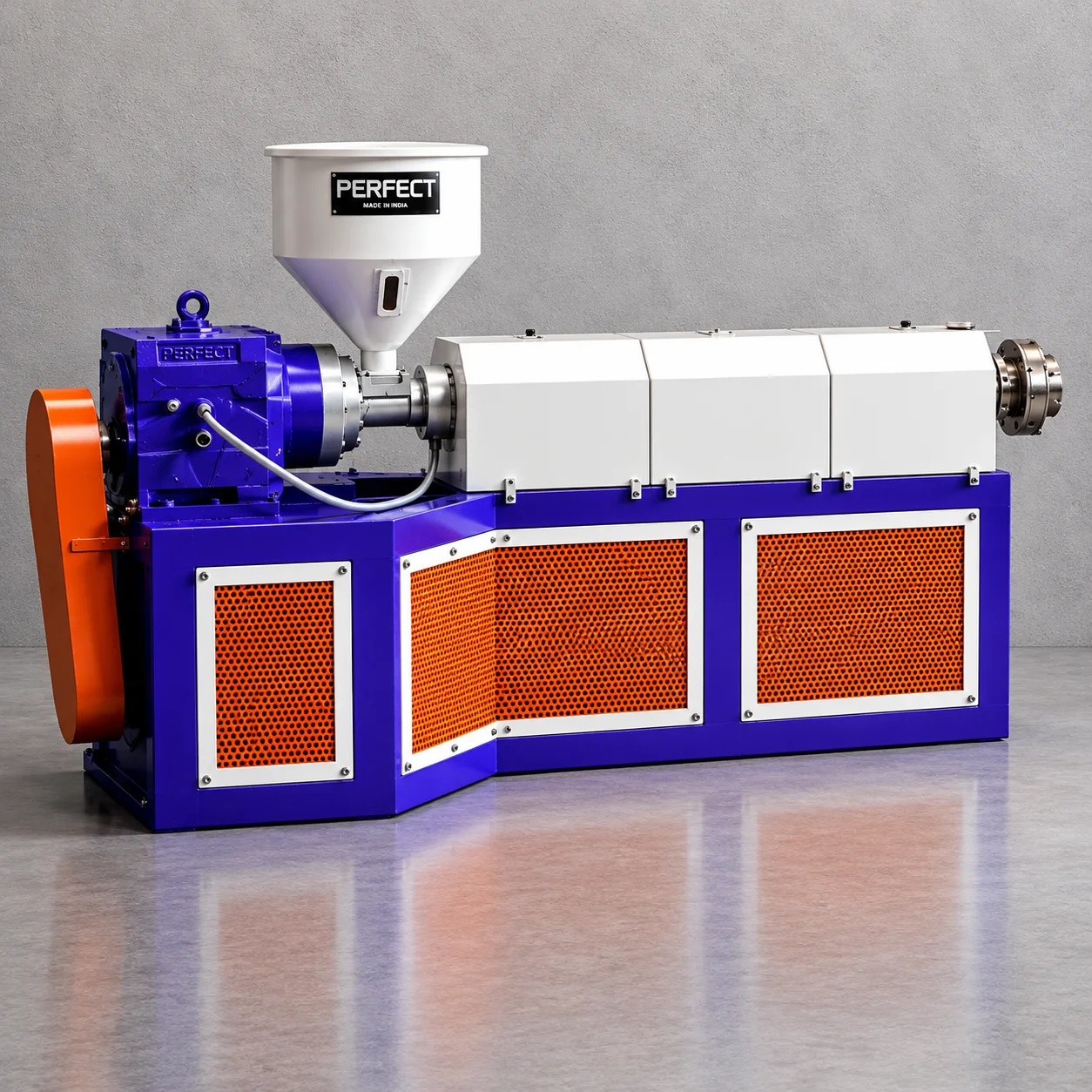

Rotational moulding machine for water tank
Discover high-quality rotational moulding machines for water tanks in Ahmedabad. Perfect Rotomould India offers reliable solutions with 30+ years of expertise.
Why This Matters in Ahmedabad
Ahmedabad's dynamic growth, encompassing both industrial expansion and a burgeoning population, places a significant strain on existing infrastructure, particularly water supply and storage. The need for reliable water tanks, from large industrial reservoirs to household storage units, is ever-present. Rotational moulding offers a cost-effective and efficient way to meet this demand, producing tanks that are durable, leak-proof, and resistant to corrosion.
Local industries, including construction, agriculture, and manufacturing, all rely on consistent water availability. Furthermore, government initiatives focused on water conservation and storage amplify the importance of high-quality tank production. Investing in advanced rotational moulding machinery is therefore a strategic move for manufacturers in Ahmedabad aiming to serve these critical sectors and contribute to the region's infrastructure needs.
What is a Rotational Moulding Machine for Water Tanks — Overview
A rotational moulding machine, also known as a rotomoulding machine, is a specialized piece of industrial equipment used to create hollow plastic products. For water tanks, these machines employ a process where a measured amount of plastic powder or liquid is placed into a heated metal mould. The mould is then rotated on two perpendicular axes simultaneously, while being heated in an oven.
This biaxial rotation ensures the plastic melts and coats the entire inner surface of the mould evenly, creating a seamless, stress-free, and uniform wall thickness. After cooling, the mould is opened, and the finished water tank is removed. This method is ideal for large, complex hollow shapes like water tanks, offering superior strength and integrity compared to other plastic manufacturing techniques.
Key Features and Technical Specifications
When selecting a rotational moulding machine for water tank production, several technical specifications are critical for optimal performance and output quality. These machines are designed for efficiency, durability, and consistent product quality.
- Arm Configuration: Machines typically come with two, three, or four arms, offering different levels of productivity and efficiency for various production volumes.
- Heating System: Options include hot air ovens or direct flame heating, each with distinct energy consumption and temperature control characteristics.
- Machine Type: Bi-axial (rocking or multi-arm) machines are common for tanks, while shuttle machines offer continuous production capabilities.
- Control System: Advanced PLC (Programmable Logic Controller) systems allow for precise control over rotation speeds, heating cycles, and cooling phases.
- Mould Capacity: The machine must be capable of accommodating the size and weight of the moulds required for the desired water tank volumes.
- Energy Efficiency: Features like energy-saving burners, efficient insulation, and optimized heating cycles contribute to lower operational costs.
- Material Compatibility: Designed to work with common polyethylene (PE) powders or liquids used for water tank manufacturing.
- Safety Features: Integrated safety interlocks, emergency stop buttons, and robust construction ensure operator safety during operation.
Industrial Applications and Use Cases
Rotational moulding machines are versatile, but their application in water tank manufacturing is particularly significant across various sectors. The ability to produce large, seamless, and durable tanks makes them indispensable for numerous industrial and commercial needs.
- Residential Water Storage: Producing tanks for domestic water supply, ensuring clean water availability in homes.
- Agricultural Water Management: Manufacturing tanks for irrigation, rainwater harvesting, and livestock water supply in farms.
- Industrial Chemical Storage: Creating tanks resistant to corrosion for storing various chemicals, acids, and solvents.
- Food and Beverage Processing: Producing food-grade tanks for storing liquids, ingredients, and finished products.
- Wastewater and Effluent Treatment: Manufacturing tanks for collection and treatment of industrial and domestic wastewater.
- Firefighting Water Tanks: Producing large-capacity tanks for emergency water reserves.
- Rainwater Harvesting Systems: Enabling efficient collection and storage of rainwater for environmental sustainability.
- Transportation and Logistics: Manufacturing tanks for liquid transport in trucks and trailers.
How to Choose the Right Rotational Moulding Machine
Selecting the appropriate rotational moulding machine is a critical decision that impacts production efficiency, product quality, and overall profitability. A thorough evaluation of your specific needs against machine capabilities is essential.
- Production Volume Requirements: Determine how many tanks you need to produce daily or monthly to select a machine with the right arm configuration and cycle time.
- Tank Size and Shape: Ensure the machine can accommodate the dimensions and weight of the moulds for the specific water tank sizes you intend to manufacture.
- Material Type: Confirm the machine is optimized for the type of plastic (e.g., LLDPE, HDPE) you will be using.
- Energy Source and Efficiency: Consider the availability and cost of energy (gas, electricity) in your facility and choose a machine with good energy efficiency ratings.
- Automation and Control: Decide on the level of automation required, from basic manual controls to advanced PLC systems for precise process management.
- Supplier Reputation and Support: Research manufacturers for their track record, quality of build, and the availability of after-sales service, spare parts, and technical assistance.
- Customization Capabilities: If you anticipate needing specialized features or modifications, ensure the supplier can offer custom solutions.
- Budget and ROI: Balance the initial investment with the machine's expected lifespan, operational costs, and potential return on investment.
Quality Standards and Compliance
For any industrial machinery, especially those involved in producing products for public use like water tanks, adherence to quality standards and compliance is non-negotiable. Manufacturers in Ahmedabad must ensure their rotational moulding machines are built to meet stringent industry benchmarks.
Look for machines that are manufactured in compliance with relevant Indian Standards (IS) or international standards like ISO. For machines, specifications related to electrical safety (IEC standards) and general engineering practices are important. For the tanks produced, compliance with standards for potable water contact (e.g., BIS certification for tanks) is crucial. A reputable manufacturer will be transparent about the standards they follow in their machine design and manufacturing processes.
Why Company Experience and Capability Matters
When investing in substantial industrial equipment like a rotational moulding machine, the experience and capability of the manufacturer are paramount. Perfect Rotomould India brings over 30 years of dedicated engineering expertise in the rotational moulding field. This extensive experience translates directly into the reliability, efficiency, and longevity of their machines.
Their capability extends beyond just manufacturing standard machines; they excel in understanding complex client requirements and delivering customized solutions. This includes designing and fabricating moulds and machinery precisely to client specifications, ensuring seamless integration into existing production lines. Their deep understanding of the rotomoulding process, from material science to operational nuances, allows them to build machines that are not only robust but also energy-efficient and user-friendly. This commitment to quality engineering and customer-centric solutions is what sets experienced manufacturers apart.
Installation, Maintenance and Care Tips
Proper installation, regular maintenance, and diligent care are essential for maximizing the lifespan and performance of your rotational moulding machine. Following these guidelines will help prevent downtime and ensure consistent product quality.
- Installation: Ensure the machine is installed on a level, stable foundation. Connect all utilities (power, gas, compressed air) according to the manufacturer's specifications and local safety regulations. Allow adequate space around the machine for operation and maintenance.
- Routine Checks: Daily checks should include inspecting for leaks, ensuring all safety guards are in place, and verifying the proper functioning of the control panel.
- Lubrication: Regularly lubricate all moving parts, such as bearings, chains, and gears, using the recommended lubricants. Refer to the machine's manual for specific lubrication points and schedules.
- Cleaning: Keep the oven interior clean to prevent carbon buildup, which can affect heating efficiency and potentially contaminate products. Clean the mould surfaces regularly to ensure smooth demoulding and prevent defects.
- Calibration: Periodically check and calibrate temperature sensors and rotation speed controllers to maintain process accuracy.
- Preventive Maintenance: Schedule regular preventive maintenance with qualified technicians. This typically includes inspecting electrical components, burner systems, and structural integrity.
- Operator Training: Ensure all operators are thoroughly trained on machine operation, safety procedures, and basic troubleshooting.
Frequently Asked Questions
Bi-axial rotational moulding machines, particularly multi-arm configurations (three or four arms), are highly effective for producing water tanks. Shuttle machines also offer continuous production benefits for high-volume needs.
The simultaneous rotation around two perpendicular axes ensures that the molten plastic is evenly distributed over the entire inner surface of the mould. This constant coating action, combined with gravity, results in a uniform wall thickness throughout the hollow product.
Rotational moulding produces seamless, one-piece tanks with excellent structural integrity and impact resistance. It allows for the creation of complex shapes, offers good UV stability with additives, and is cost-effective for producing large hollow items with minimal waste.
Yes, rotational moulding machines are highly versatile. By using different moulds, manufacturers can produce water tanks ranging from small domestic units to very large industrial storage tanks, provided the machine has the capacity to handle the mould size and weight.
Routine maintenance includes lubrication of moving parts, cleaning of the oven and moulds, checking for leaks, and ensuring safety systems are functional. Periodic professional servicing of burners, electrical components, and control systems is also recommended.
The most common materials are polyethylene (PE) powders, specifically Linear Low-Density Polyethylene (LLDPE) and High-Density Polyethylene (HDPE). These materials are chosen for their durability, chemical resistance, UV stability (with additives), and suitability for food-grade applications.
Conclusion
For businesses in Ahmedabad seeking to manufacture high-quality water tanks, investing in a reliable rotational moulding machine is a strategic imperative. The technology offers unparalleled advantages in producing seamless, durable, and cost-effective storage solutions essential for the region's growth. When selecting a machine, prioritize technical specifications, energy efficiency, and, crucially, the experience and support offered by the manufacturer.
Perfect Rotomould India, with its three decades of specialized engineering expertise, provides robust solutions tailored to meet the diverse needs of the water tank manufacturing industry in Ahmedabad and beyond. Their commitment to quality, customization, and comprehensive after-sales support ensures you acquire not just a machine, but a partner in achieving production excellence.
---
Get In Touch
Rotomouldindia