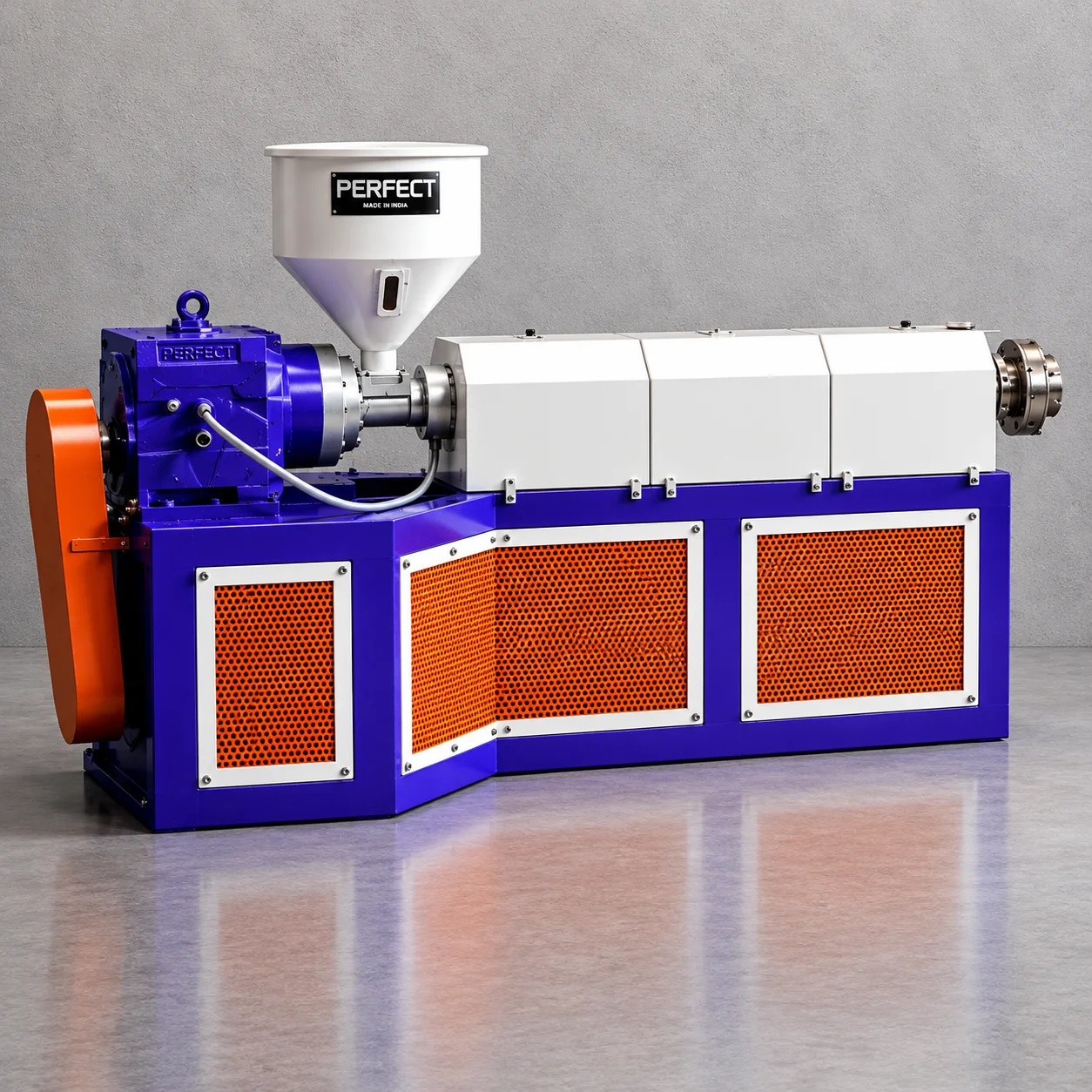

Extruder Machine
An extruder machine is a cornerstone of modern industrial manufacturing, playing a critical role in the production of a vast array of plastic and polymer products. These sophisticated pieces of equipment are designed to melt raw polymer material and then force it through a die to create a continuous profile. Understanding the intricacies of an extruder machine is essential for businesses looking to optimize their production processes, enhance product quality, and expand their manufacturing capabilities.
Understanding the Extrusion Process
At its core, the extrusion process involves heating raw polymer pellets or granules in a barrel, typically with a rotating screw inside. The rotating screw serves multiple functions: it transports the material from the feed throat, compresses it, melts it through shear heating and external barrel heaters, and homogenizes the melt before it is pushed out through a shaped die. The die determines the final cross-sectional shape of the extruded product.
This continuous process allows for high-volume production of items such as pipes, films, sheets, profiles, and fibers. The efficiency and precision of an extruder machine make it indispensable in industries ranging from construction and packaging to automotive and medical devices.
Types of Extruder Machines
Extruder machines are categorized based on several factors, primarily the screw configuration and the intended application. The most common types include:
- Single-Screw Extruders: These are the most basic and widely used type. A single rotating screw homogenizes and conveys the molten polymer through the die. They are suitable for a broad range of applications, particularly for thermoplastic processing.
- Twin-Screw Extruders: Featuring two intermeshing screws, these extruders offer enhanced mixing and compounding capabilities. The screws can rotate in the same direction (co-rotating) or opposite directions (counter-rotating). Co-rotating twin-screw extruders are excellent for dispersion, blending, and reactive extrusion, providing better control over shear and residence time.
- Planetary Roller Extruders: These machines combine a central screw with multiple rotating rollers around it. They are ideal for processing highly viscous materials and offer excellent heat transfer and short residence times, making them suitable for demanding applications like high-performance polymers.
- Gear Extruders: Primarily used as melt pumps to ensure consistent pressure and flow, gear extruders employ intermeshing gears to move the polymer melt. They are often used downstream of a primary extruder to improve product uniformity.
The choice of extruder type significantly impacts the quality, consistency, and complexity of the final product.
Key Applications of Extruder Machines
The versatility of extruder machines allows them to be utilized across a multitude of industries and for diverse product manufacturing:
Pipes and Tubing
Manufacturing of water pipes, sewage pipes, conduit, medical tubing, and industrial hoses.
Films and Sheets
Production of packaging films, agricultural films, plastic sheeting for construction, and thermoforming sheets.
Profiles
Extrusion of window profiles, door frames, decorative trims, and automotive components.
Fibers and Filaments
Creation of synthetic fibers for textiles, carpets, and industrial applications, as well as 3D printing filaments.
Compounding
Blending polymers with additives, fillers, and colorants to create specialized plastic compounds.
Coating
Applying polymer coatings to wires, cables, and other substrates for insulation and protection.
Essential Benefits of Modern Extrusion Technology
Implementing advanced extruder machines offers significant advantages for manufacturers:
- High Throughput and Efficiency: Extrusion is a continuous process, enabling high production volumes with minimal downtime.
- Product Consistency: Precise control over temperature, pressure, and screw speed ensures uniform product dimensions and material properties.
- Material Versatility: Capable of processing a wide range of thermoplastic and thermosetting polymers, including blends and compounds.
- Cost-Effectiveness: The efficiency and automation of extrusion processes often lead to lower manufacturing costs per unit.
- Customization: Dies can be precisely engineered to produce complex and intricate shapes, allowing for product differentiation.
Buyer Insight: Material Matters
The type of polymer you intend to process is the most critical factor in selecting an extruder machine. Different polymers have varying melting points, viscosities, and sensitivities to heat and shear. Ensure the extruder's screw design, barrel heating, and cooling systems are optimized for your specific materials to avoid degradation and ensure optimal melt quality.
Selecting the Right Extruder Machine
Choosing the appropriate extruder machine involves careful consideration of several factors to match your production needs and material requirements:
Key Selection Criteria:
- Screw Diameter and L/D Ratio: Larger diameters increase output, while the Length-to-Diameter (L/D) ratio affects mixing and residence time. Higher L/D ratios generally provide better homogenization.
- Throughput Requirements: Determine the desired production rate (kg/hr or lbs/hr) based on market demand and production goals.
- Material Characteristics: As highlighted, understand the melt flow index (MFI), processing temperatures, and any additives used with your base polymer.
- Die Design and Complexity: The type of product (pipe, profile, film) and its complexity will influence the extruder and downstream equipment needed.
- Automation and Control Systems: Modern extruders offer advanced control systems for temperature, pressure, and speed, crucial for consistency and efficiency.
- Power and Utilities: Ensure your facility can support the power, cooling water, and compressed air requirements of the chosen machine.
- Ancillary Equipment: Consider downstream equipment such as cooling tanks, haul-offs, cutters, winders, and pelletizers that integrate with the extruder.
Questions to Ask Before Buying an Extruder Machine:
- What is the expected lifespan and warranty of the extruder?
- What kind of training and after-sales support is provided?
- Can the extruder handle future material changes or product line expansions?
- What are the typical maintenance requirements and costs?
- Are there options for system integration with existing plant operations?
Quality Checks and Performance Standards
Ensuring the quality of an extruder machine involves verifying its construction, control systems, and performance capabilities. Reputable manufacturers adhere to stringent quality control measures during production. Look for machines built with robust components, precise machining, and reliable electrical and control systems. Performance can be evaluated through melt quality, throughput stability, and the consistency of the extruded product.
Your Partner in Extrusion Solutions
At rotomouldindia, we understand the critical role an extruder machine plays in your manufacturing success. We are committed to providing reliable and efficient extrusion solutions tailored to your specific operational needs. Our focus is on delivering machinery that enhances productivity, ensures product integrity, and contributes to your business growth.
We offer a range of extrusion equipment designed for various industrial applications. Our team works closely with clients to identify the most suitable extruder configuration, considering material types, production volumes, and desired product specifications. We pride ourselves on supporting our clients with dependable machinery and responsive service, helping you achieve optimal performance and cost-effectiveness in your extrusion processes.
Frequently Asked Questions about Extruder Machines
What is the primary function of an extruder machine?
The primary function of an extruder machine is to melt raw polymer materials and force them through a die to create continuous products with a specific cross-sectional shape, such as pipes, films, or profiles.
How does a twin-screw extruder differ from a single-screw extruder?
A twin-screw extruder has two intermeshing screws that provide superior mixing, venting, and compounding capabilities compared to a single-screw extruder, which uses one screw for conveying, melting, and extruding.
What factors determine the output of an extruder machine?
The output is determined by the screw diameter, screw speed, L/D ratio, melt viscosity, die design, and the specific polymer being processed.
Can extruder machines process recycled plastics?
Yes, extruder machines can be configured to process recycled plastics, often requiring specialized screw designs and additional cleaning/compounding steps to handle variations in material quality.
What are the maintenance considerations for an extruder machine?
Regular maintenance includes checking screw and barrel wear, inspecting heating elements and thermocouples, lubricating gearboxes, and ensuring the cooling system is functioning optimally. Preventive maintenance schedules are crucial for longevity.
Ready to Enhance Your Production?
Explore how a precision-engineered extruder machine from rotomouldindia can transform your manufacturing output. Contact us today to discuss your specific project requirements and find the ideal extrusion solution.
Request a Consultation