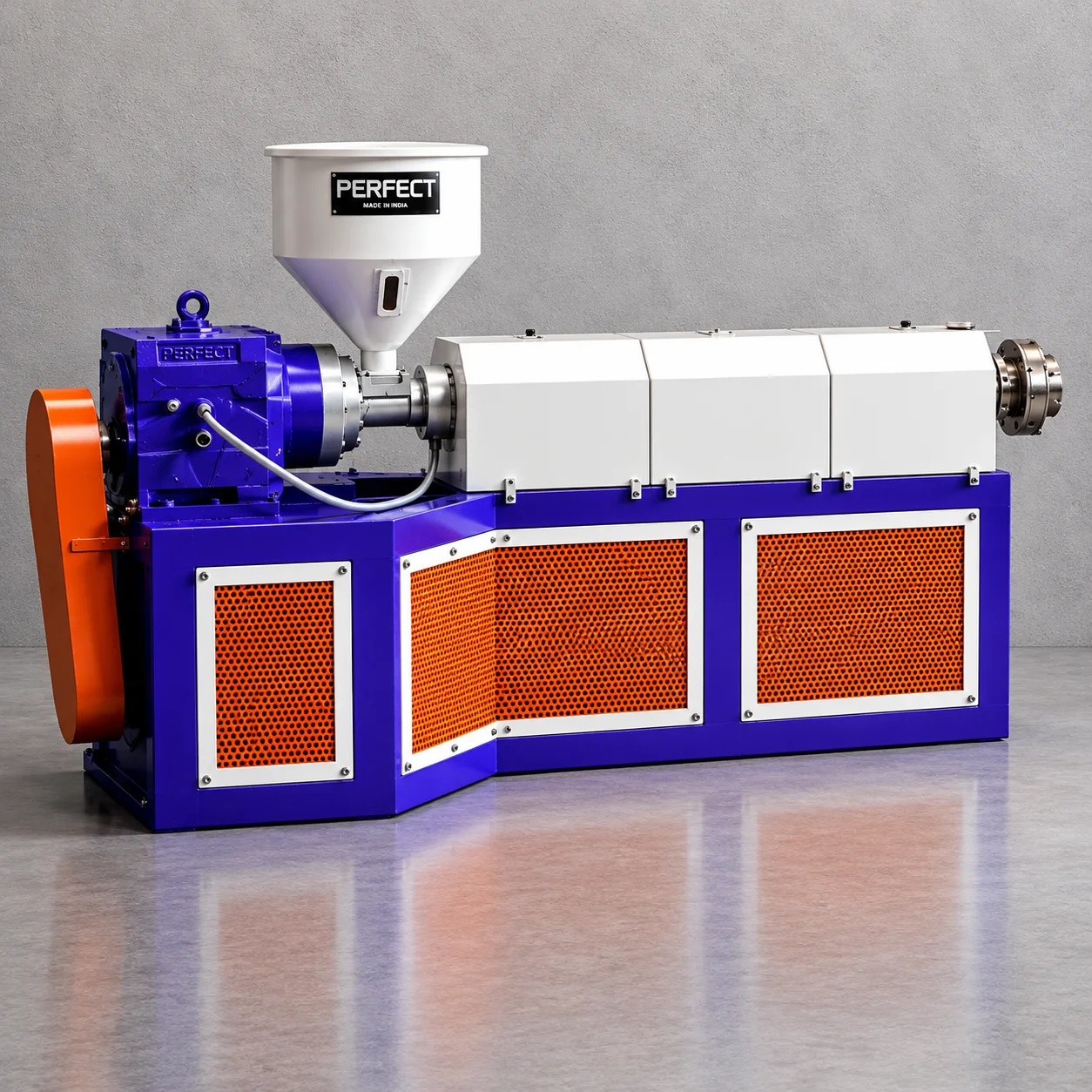

pulverizer for rotomoulding powder
The rotomoulding industry relies heavily on the quality and consistency of its raw material: finely ground plastic powder. Achieving the optimal particle size and flowability is paramount for producing high-quality hollow plastic products. This is where a robust and efficient pulverizer becomes an indispensable piece of equipment. A pulverizer for rotomoulding powder is designed to transform plastic granules, regrind, and production scrap into a uniform, free-flowing powder, ready for the intricate rotomoulding process. Understanding its function, benefits, and selection criteria is key for any manufacturer aiming for efficiency and superior product output.
What is a Pulverizer for Rotomoulding Powder?
A pulverizer, in the context of rotomoulding, is a specialized high-speed grinding machine engineered to reduce various plastic materials into a fine powder. These machines are critical for processing thermoplastics such as polyethylene (PE) – including LLDPE and HDPE – and PVC. The core function involves a mechanical process where plastic material is fed into a grinding chamber, typically between rotating and stationary discs. The precise gap between these discs controls the fineness of the resultant powder, often aiming for the industry standard of 35 mesh. This finely processed powder is the essential feedstock for creating a wide array of rotomoulded products, from large water tanks and industrial containers to intricate automotive parts and playground equipment.
Beyond just size reduction, an effective pulverizer must manage thermal dynamics. The grinding process generates heat, and maintaining a stable thermal profile is crucial. This prevents polymer degradation, clumping, or alteration of the resin's molecular structure, which could negatively impact the final product's integrity, melt characteristics, and uniform wall thickness. Modern pulverizers incorporate advanced cooling systems, often utilizing air and water, to dissipate this heat effectively.
Applications and Use Cases
The primary application of a pulverizer for rotomoulding powder is the in-house preparation of feedstock. This offers significant advantages for rotomoulding manufacturers:
- Material Preparation: Converting virgin granules, production scrap, and reground materials into usable powder for rotomoulding machines.
- Cost Efficiency: Producing powder in-house can be more economical than purchasing pre-ground powder, especially for manufacturers with substantial annual volumes.
- Quality Control: Direct control over the grinding process allows manufacturers to ensure the powder meets specific size, purity, and thermal stability requirements.
- Recycling Integration: Facilitating the closed-loop recycling of production waste, turning offcuts and rejects back into valuable raw material.
- Custom Formulations: Enabling compounders and recyclers to precisely control the particle size and composition of the powder for specialized applications.
The resulting powder is essential for manufacturing a vast range of hollow plastic items. This includes, but is not limited to, agricultural tanks, septic tanks, kayaks, playground equipment, industrial bins, automotive components, and various custom-designed mouldings.
Key Benefits of Using a Pulverizer
Cost Savings
Reduce reliance on external powder suppliers and leverage production waste for significant cost reductions.
Enhanced Throughput
Efficiently process materials, ensuring a consistent supply of powder to keep rotomoulding machines running optimally.
Superior Product Quality
Achieve precise particle size and thermal stability, leading to consistent wall thickness and improved final product appearance.
Sustainable Operations
Integrate plastic recycling by effectively grinding scrap and offcuts, contributing to a circular economy.
Buyer's Guide: Selecting the Right Pulverizer
Choosing the appropriate pulverizer is critical for maximizing efficiency and achieving desired powder quality. Consider the following factors:
Material Type and Volume
Identify the primary types of plastics you will be processing (e.g., PE, PVC) and your estimated weekly or monthly volume. This will dictate the required capacity and robustness of the pulverizer.
Required Particle Size
Determine the target mesh size for your rotomoulding process. Most applications require around 35 mesh, but some may need finer or coarser grinds. Ensure the pulverizer can achieve this consistently.
Disc Design and Material
The grinding discs are the heart of the pulverizer. Look for durable materials and designs that ensure efficient shearing and longevity. The gap adjustment mechanism should be precise and easy to use.
Cooling System Efficiency
An effective cooling system (air or water) is non-negotiable for preventing polymer degradation and maintaining powder quality. Assess the capacity and design of the cooling mechanism.
Maintenance and Accessibility
Consider how easy it is to access the grinding chamber for cleaning, disc replacement, and general maintenance. Simple access reduces downtime and labor costs.
Power Consumption and Safety Features
Evaluate the energy efficiency of the machine and ensure it is equipped with necessary safety features, such as emergency stops and protective guards.
Buyer Insight: Always inquire about the ease of adjusting the disc gap. This setting is crucial for controlling powder fineness and is frequently adjusted to meet different material batches or product requirements.
Ensuring Quality and Performance
The performance of a pulverizer directly impacts the quality of your rotomoulded products. Regular checks are vital:
- Particle Size Analysis: Periodically sample the output powder and perform sieve analysis to confirm it meets the required mesh size.
- Thermal Stability: Visually inspect the powder for signs of overheating, such as discoloration or clumping. If issues arise, review the cooling system and grinding parameters.
- Disc Condition: Regularly inspect the grinding discs for wear and tear. Damaged or worn discs can significantly reduce efficiency and powder quality.
- Feed Rate Consistency: Ensure a steady and consistent feed rate into the pulverizer. Inconsistent feeding can lead to uneven grinding and potential machine strain.
Maintaining optimal operating parameters, including the correct disc gap and adequate cooling, is key to preserving the resin's integrity and ensuring consistent melt behavior during the rotomoulding cycle.
Rotomould India: Your Partner in Powder Preparation
Rotomould India brings over 30 years of engineering expertise to the rotomoulding industry, offering a range of specialized equipment including high-performance pulverizer machines. Their pulverizers are designed as precision grinding machines capable of producing the fine, consistent powder required for optimal rotomoulding results. By understanding the critical need for material quality in rotomoulding, Rotomould India focuses on engineering solutions that contribute to efficient production and superior end-product quality.
Whether you require a standalone pulverizer or a complete integrated system for your rotomoulding operations, Rotomould India leverages its extensive experience to provide reliable and effective machinery. They are committed to supporting manufacturers by offering equipment that enhances operational efficiency and product excellence.
Frequently Asked Questions
What is the main purpose of a pulverizer in rotomoulding?
The main purpose is to grind plastic granules, regrind, or scrap into a fine, uniform powder with a specific particle size (commonly 35 mesh) that is suitable for the rotomoulding process.
How does a pulverizer affect the quality of rotomoulded products?
The fineness and consistency of the powder produced by the pulverizer directly influence the melt behavior, wall thickness uniformity, and surface finish of the final rotomoulded product. Overheating during pulverization can degrade the plastic, leading to weaker products.
Can a pulverizer process different types of plastics?
Yes, pulverizers are designed to handle various thermoplastics, including common ones like polyethylene (LLDPE, HDPE) and PVC. However, specific models may be optimized for certain materials, and it's important to verify compatibility.
What are the key maintenance tasks for a pulverizer?
Key maintenance includes regular inspection and replacement of grinding discs, ensuring the cooling system is functioning correctly, cleaning the grinding chamber, and checking for wear on bearings and other components.
Ready to Optimize Your Powder Production?
Achieve superior rotomoulding results with the right pulverizer. Explore how Rotomould India's expertise and precision-engineered pulverizer machines can enhance your production efficiency and product quality. Contact us today to discuss your specific requirements and find the ideal solution for your operations.
Learn More About Rotomould India's Pulverizers